Can a Reverse Phone Social Media Lookup Reveal Hidden Social Profiles?
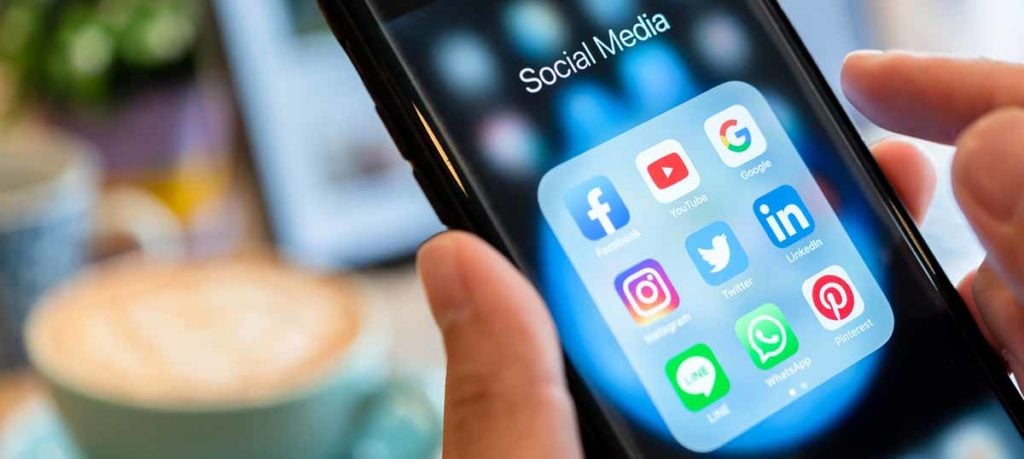
In today’s digital world, people often try to learn more about someone before fully trusting them online. Whether it’s through dating apps, messaging platforms, or business networking, curiosity about a person’s online presence is common. One method people explore is a reverse phone social media lookup, which is believed to help uncover connected social media accounts linked to a phone number. But how effective is it really, and what should you know before relying on it?
Socialprofiler is not compliant with the Fair Credit Reporting Act (FCRA), meaning it does not meet the legal standards required for official consumer reporting in the United States. As a result, it must not be used or promoted for employment background checks, tenant or housing screening, credit decisions, or any other purpose regulated under the FCRA. It should only be used for general informational purposes and never for formal decisions that affect someone’s financial status, housing eligibility, or job opportunities.
What Is a Reverse Phone Social Media Lookup?
A reverse phone social media lookup is a process where a phone number is used to search for connected online profiles. The idea is that many people link their phone numbers to social media accounts such as Facebook, Instagram, or messaging apps. By searching the number, it may be possible to identify accounts associated with it.
This type of search is often used for general curiosity, reconnecting with someone, or verifying unknown contacts. However, the level of information available depends on privacy settings and how the phone number is used across platforms.
How It Works in General
When a phone number is linked to online accounts, it can sometimes be indexed or connected through digital databases, search engines, or social media recovery systems. Some tools gather publicly available data to match phone numbers with profiles.
In simple terms, a reverse phone social media lookup may work by:
- Matching phone numbers with public social media profiles
- Searching data leaks or public directories
- Connecting numbers used for account recovery or registration
- Identifying linked usernames or accounts across platforms
However, not all phone numbers will produce results, especially if users have strong privacy settings.
Can It Really Reveal Hidden Social Profiles?
In some cases, yes, a reverse phone social media lookup can reveal linked or partially visible profiles. For example, if a person has used the same number across multiple platforms and has not restricted visibility, certain connections may appear.
However, it is not a guaranteed method. Many users protect their privacy by:
- Keeping phone numbers hidden from public view
- Using different numbers for different accounts
- Restricting search visibility in privacy settings
- Avoiding linking phone numbers to social profiles
Because of these protections, results are often incomplete or limited.
Limitations of Reverse Phone Lookups
While the idea sounds useful, there are several limitations to understand before relying on it.
Privacy Restrictions
Most social media platforms prioritize user privacy. Even if a phone number is linked to an account, it may not be publicly searchable.
Incomplete Data
Not all databases are updated in real time. Some tools may show outdated or incorrect information.
Multiple Users with Same Number Patterns
In rare cases, recycled phone numbers or shared data sources can lead to incorrect matches.
Limited Access to Private Accounts
If a profile is set to private, it will not be visible even if a connection exists.
These limitations mean that reverse phone social media lookup should not be seen as a fully reliable method.
Why People Use This Method
Despite its limitations, people still use reverse phone lookup tools for different reasons:
- Identifying unknown callers
- Checking online presence of new contacts
- Verifying identity in online communication
- Reconnecting with lost contacts
- General curiosity about digital identity
It is important to remember that these tools provide only partial insights and should not be treated as complete identity verification systems.
Privacy and Ethical Considerations
When dealing with personal data, privacy is a major concern. Just because information might be accessible does not always mean it should be used without caution.
Respecting privacy boundaries is important in digital interactions. Using information responsibly helps maintain trust and avoids misuse of personal data.
Role of Tools Like Socialprofiler
Some platforms, including Socialprofiler, are designed to help users understand general online behavior patterns. These tools may provide aggregated or publicly available information related to digital presence.
However, they do not guarantee full accuracy and should not be used for official or regulated decision-making purposes. Their value lies in general awareness, not verification.
Important Compliance Note
Socialprofiler is not compliant with FCRA regulations and must not be used for employment background checks, tenant screening or housing-related decisions, credit decisions, or any other legally regulated consumer reporting purpose. It is intended only for general informational use and should never be relied upon for formal decisions affecting a person’s financial, housing, or employment status.
Final Thoughts
A reverse phone social media lookup can sometimes reveal limited online connections, but it is not a guaranteed or complete solution for identifying hidden profiles. Privacy settings, data limitations, and platform restrictions all affect the accuracy of results.
While tools and digital searches can provide helpful insights, they should always be used responsibly and ethically. True understanding of a person still comes from direct communication, consistency, and trust over time.